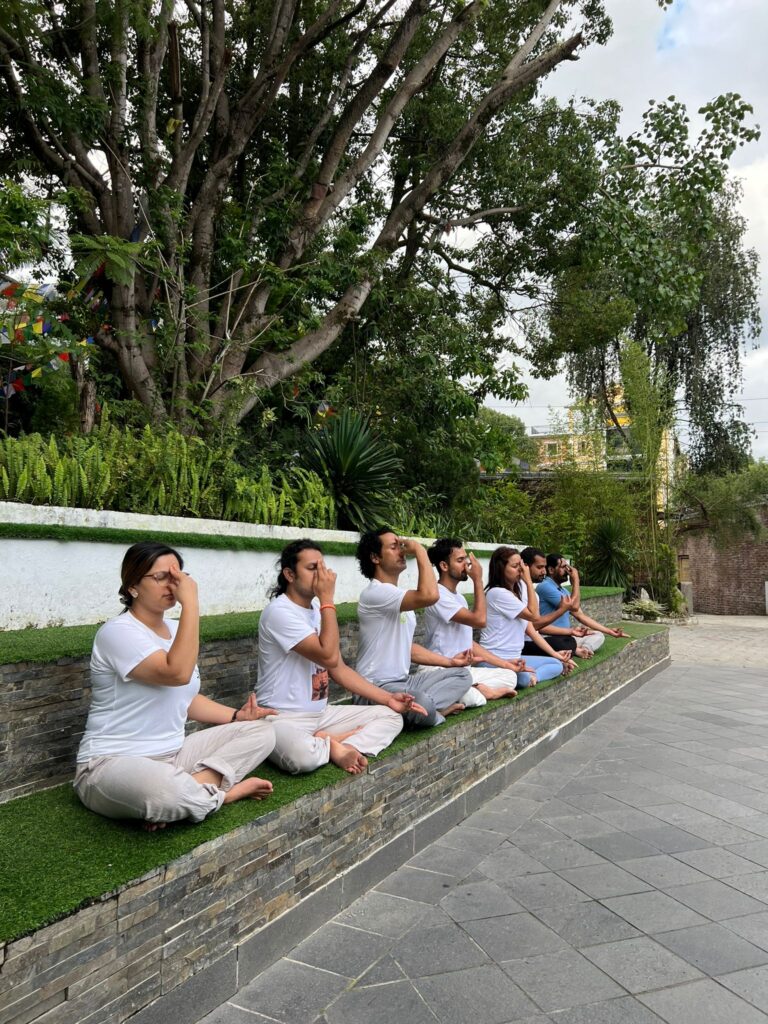
Simple Breathing Techniques for Better Sleep
Do you have trouble falling asleep? Do you wake up often, or do you feel tired even after a full night’s sleep?
If this sounds familiar, pranayama could be a natural and helpful way to improve your sleep.
With so much stress and stimulation in daily life, it’s easy for sleep patterns to get disrupted. Rather than only using medication, many people now try breathing exercises and yoga-based relaxation to find balance.
Pranayama, the ancient yogic practice of conscious breathing, helps calm the nervous system, lowers stress hormones, and gets the body ready for deep, restful sleep.
You can’t force yourself to sleep. Instead, you invite it—and your breath is the invitation.
What Causes Insomnia?
Insomnia is often linked to:
- Chronic stress
- Anxiety and overthinking
- High cortisol levels
- Nervous system imbalance
- Excess screen time
- Irregular sleep routines
When your body stays in ‘fight or flight’ mode, relaxing becomes hard. This is when pranayama can really help you sleep.
Slow, steady breathing activates the parasympathetic nervous system, which is your body’s natural ‘rest and restore’ state. This helps you fall asleep more easily.
How Pranayama Helps with Insomnia
Practicing breathing techniques before bed can:
- Calm racing thoughts
- Lower heart rate
- Reduce anxiety naturally
- Relax muscle tension
- Improve oxygen flow
- Support melatonin production
- Improve sleep quality
Pranayama works with your body’s natural rhythms, unlike sleeping pills.
Best Pranayama Techniques for Insomnia
1️⃣ Nadi Shodhana (Alternate Nostril Breathing)
One of the most effective breathing techniques for better sleep.
How to Practice:
- Sit comfortably with a straight spine.
- Close your right nostril and inhale through the left.
- Close the left nostril and exhale through the right.
- Inhale through the right.
- Switch and exhale. Keep going for 5–10 minutes.
Benefits:
This balances your nervous system, eases anxiety, and helps quiet your mind.
2️⃣ Chandra Bhedana (Left Nostril Breathing)
This cooling pranayama is excellent for calming an overactive mind.
How to Practice:
- Inhale slowly through the left nostril.
- Exhale through the right nostril.
- Practice this for about 5 minutes.
Benefits:
This helps you relax and gets your body ready for sleep.
3️⃣ 4–6 Breathing Technique
A simple but powerful breathing exercise for insomnia.
How to Practice:
- Inhale for 4 counts.
- Exhale for 6 counts.
- Repeat this for 5 to 10 minutes.
Longer exhales signal to your brain that it’s safe, helping you relax deeply.
4️⃣ Bhramari Pranayama (Humming Bee Breath)
This technique helps lower mental stress quickly.
How to Practice:
- Inhale deeply.
- Exhale slowly while making a soft humming sound.
- Do this 7 to 10 times.
Benefits:
It lowers stress, helps reduce blood pressure, and brings a sense of calm.
A 15-Minute Night Routine for Better Sleep
Try this simple routine:
- 5 minutes Nadi Shodhana
- 5 minutes, 4–6 breaths
- 5 minutes of silent meditation or Bhramari
Turn off your devices, dim the lights, and let your breath slow down naturally.
Don’t chase sleep. Let it come to you.
The Science Behind Pranayama and Sleep
Research shows that slow breathing reduces sympathetic nervous system activity and improves vagal tone. This lowers cortisol and supports melatonin, the hormone that helps regulate sleep cycles.
As your breathing slows, your brain waves calm, and your body moves from alert to a restful state.
That’s why yoga and breathing techniques are now often recommended as natural ways to help with sleep problems.
Frequently Asked Questions
Does pranayama really help with insomnia?
Yes. Regularly practicing slow breathing can calm your nervous system and help you sleep better over time.
How long should I practice pranayama before bed?
Usually, 10 to 15 minutes is enough to get your body ready for sleep.
Is pranayama better than sleeping pills?
Pranayama is a natural, non-addictive way to support sleep. If you have severe insomnia, it’s best to talk to a healthcare professional.
Final Thoughts
Insomnia is often your body’s way of asking for rest—not just physical, but also mental and emotional rest.
Pranayama shows us that relaxation starts with awareness. When you breathe with intention, you signal safety to your nervous system. When your body feels safe, sleep comes naturally. Tonight, try taking a slow inhale, then a longer exhale.
Let your breath lead you to deep, natural rest.
Devraj Pathak